How long does a timber pergola last in coastal conditions?
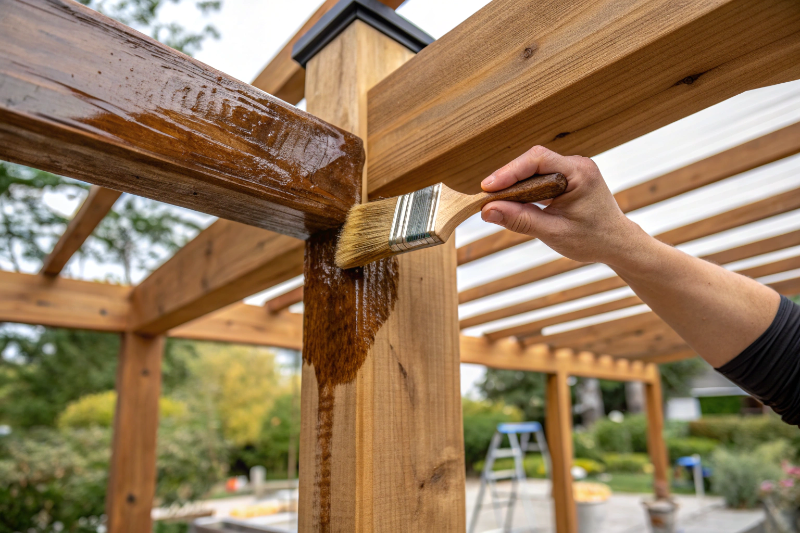
With proper maintenance, Australian hardwood pergolas last 30-50+ years in Sunshine Coast coastal conditions. We've seen Spotted Gum and Ironbark pergolas from the 1980s still performing beautifully. The key is choosing the right timber species, using stainless steel fixings, and applying protective treatments every 2-3 years. Cheaper timbers like treated pine typically need replacing after 10-15 years in our climate.
Do I need council approval for a timber pergola on the Sunshine Coast?
Most pergolas require council approval, but it depends on size, location, and whether it's attached to your home. Structures under 20m² in certain positions may qualify as complying development. We handle all permit applications, wind load engineering for Cyclone Region C, and ensure your pergola meets setback requirements. The approval process typically takes 2-4 weeks.
What's the cost difference between Spotted Gum and Ironbark?
Ironbark typically costs 20-30% more than Spotted Gum due to its density and harder workability. For a standard 4m x 6m pergola, you're looking at roughly a $3,000-$5,000 difference in material costs. Most Sunshine Coast homeowners choose Spotted Gum because it delivers excellent coastal performance at a better price point. We recommend Ironbark for exposed positions or when you need maximum span capability.
How do you prevent termites in timber pergolas?
We use Class 1 durability hardwoods like Spotted Gum, Blackbutt, and Ironbark, which have natural termite resistance. These species don't need chemical treatments to resist termite attack. We also install physical termite barriers around post bases where timber meets the ground, use stainless steel fixings that termites can't penetrate, and ensure proper clearance from soil. Annual inspections catch any early signs of activity.
Can timber pergolas withstand Sunshine Coast storms and cyclones?
Absolutely, when properly engineered and installed. We design all pergolas to meet Cyclone Region C wind load requirements, which means your structure can handle severe weather events. Traditional mortise and tenon joinery distributes wind loads better than bracket-only construction. We use engineered structural connections, appropriate post-to-beam ratios, and anchor systems that tie into concrete footings. Your pergola gets engineered specifically for your site's wind exposure.
How long does installation take?
Design and council approval take 3-5 weeks. Actual construction typically takes 1-2 weeks for a standard pergola, depending on size and complexity. Multi-level designs or pergolas with integrated features like outdoor kitchens take longer. We work efficiently to minimise disruption to your property. Weather can affect the timeline—we don't install in heavy rain or strong winds to ensure quality.